David Patterson · 3 September 2026
Indigenous Elders and Students Collaborate in Polar Field Courses to Interpret Wildlife Changes
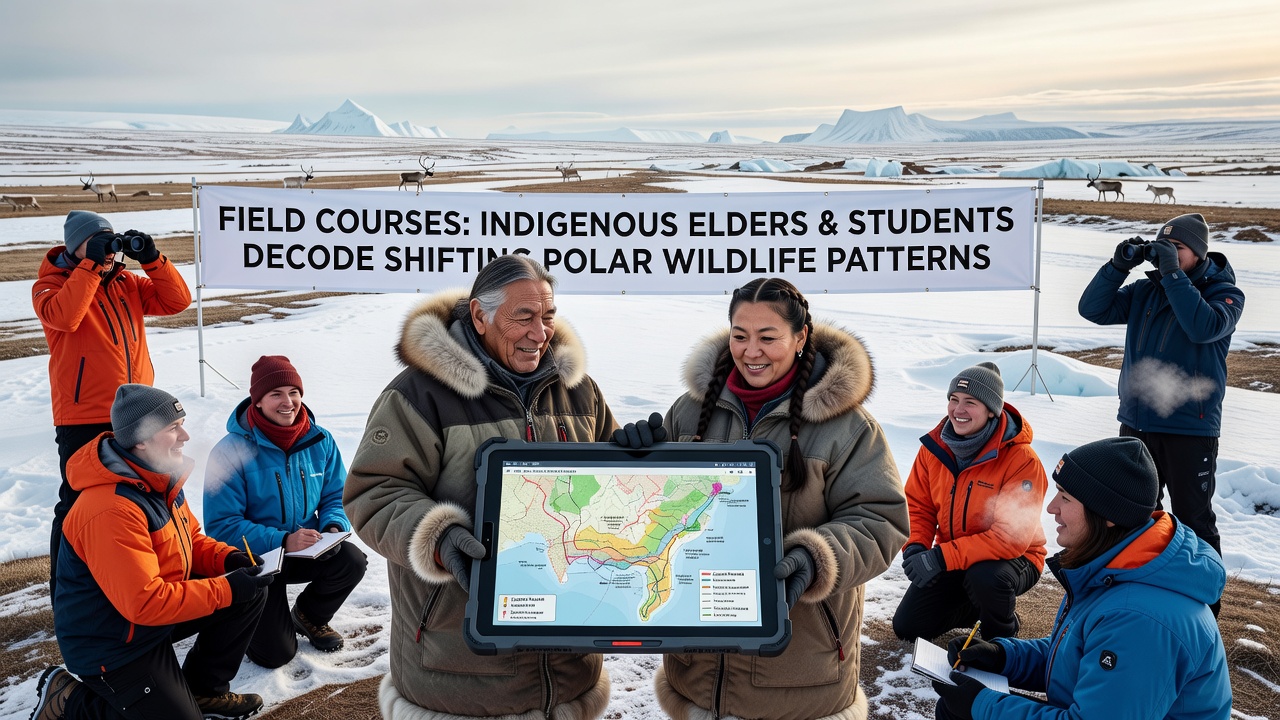
Programs across northern regions now pair Indigenous elders with university students to track alterations in polar wildlife behavior and migration routes, and these initiatives combine traditional observation methods with scientific data collection techniques. Research institutions in Canada and Alaska report that such pairings began expanding after 2020, when funding from multiple agencies supported joint expeditions into Arctic and sub-Arctic zones.
Structure of the Field Courses
Each course runs for three to six weeks during summer months, while participants travel to designated sites where elders share knowledge of animal patterns passed down through generations. Students record sightings of caribou herds, seal movements, and bird nesting sites using GPS devices and cameras, then cross-reference these notes with satellite imagery provided by research stations. In September 2026 several programs will extend sessions into early fall to capture data on changing freeze-up timelines that affect marine mammal access to breathing holes.
Observers note that elders often identify subtle signs such as altered fur thickness or unusual vocalizations that precede larger population shifts, and these details help researchers refine models of ecosystem response to temperature variations. Universities including those affiliated with the University of Alaska Fairbanks and Canadian institutions coordinate logistics, while local Indigenous organizations select participating elders based on community consensus.
Data Collection and Analysis Methods
Teams divide tasks so that students handle quantitative sampling of water temperatures and ice thickness, whereas elders guide qualitative assessments of habitat suitability. Data sets compiled during these outings feed into shared databases maintained by polar research networks, and figures reveal increased accuracy when both knowledge systems operate together. One study released by Environment and Climate Change Canada documented a 15 percent improvement in migration prediction models after integration of elder observations from the previous two seasons.
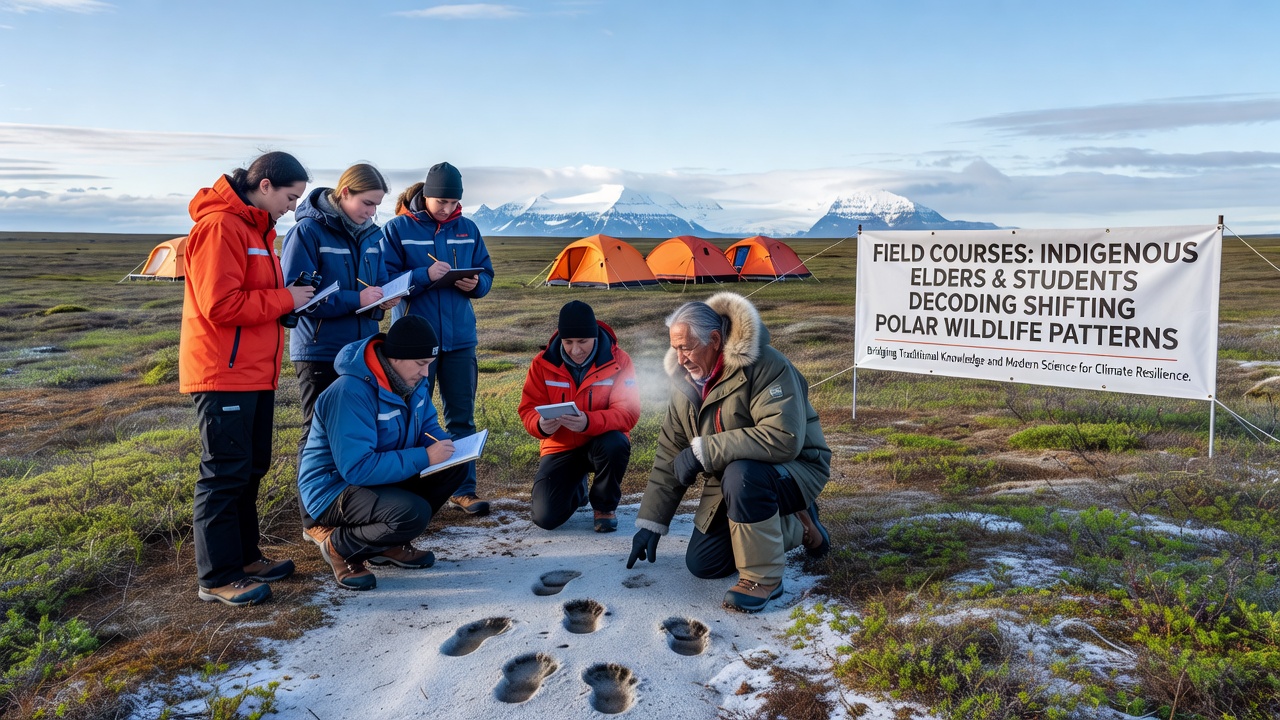
Participants log entries daily in both digital formats and traditional oral summaries, which get transcribed and archived for future reference. Software developed by partner laboratories allows real-time comparison between current records and historical accounts, highlighting anomalies such as earlier-than-expected arrival of certain fish species in coastal waters. Those who've examined the combined records point out that discrepancies between data sources often lead to new research questions rather than outright contradictions.
Regional Examples and Outcomes
In Nunavut communities, courses have focused on polar bear denning sites where elders describe long-term changes in snow conditions that influence cub survival rates. Similar efforts in the Northwest Territories track shifts in caribou calving grounds, and preliminary reports from 2025 indicate that student-elder teams mapped three previously undocumented routes used during summer migrations. These maps now circulate among wildlife management boards for use in quota setting and habitat protection planning.
Academic partners publish joint papers that credit both elder testimony and student-collected measurements, while conferences scheduled for late 2026 will feature presentations from multiple cohorts. Funding sources include grants from the National Science Foundation in the United States and parallel programs under European Union polar research frameworks, ensuring geographic diversity in project locations.
Conclusion
Field courses that integrate Indigenous elders with students continue to generate detailed records of polar wildlife adjustments, and the approach demonstrates measurable benefits in data richness and community involvement. Ongoing expansions planned through 2027 will add new sites along the Beaufort Sea coastline, while existing partnerships refine protocols for knowledge sharing. These efforts supply researchers and policymakers with layered evidence that supports more precise assessments of ecosystem dynamics in polar environments.